Burst and Frozen Pipes
Quick Response to Any Disaster
- 24/7 Emergency Response
- Expert Restoration Services
- Advanced Technology
- Customer-Focused Care
- Trusted & Reliable


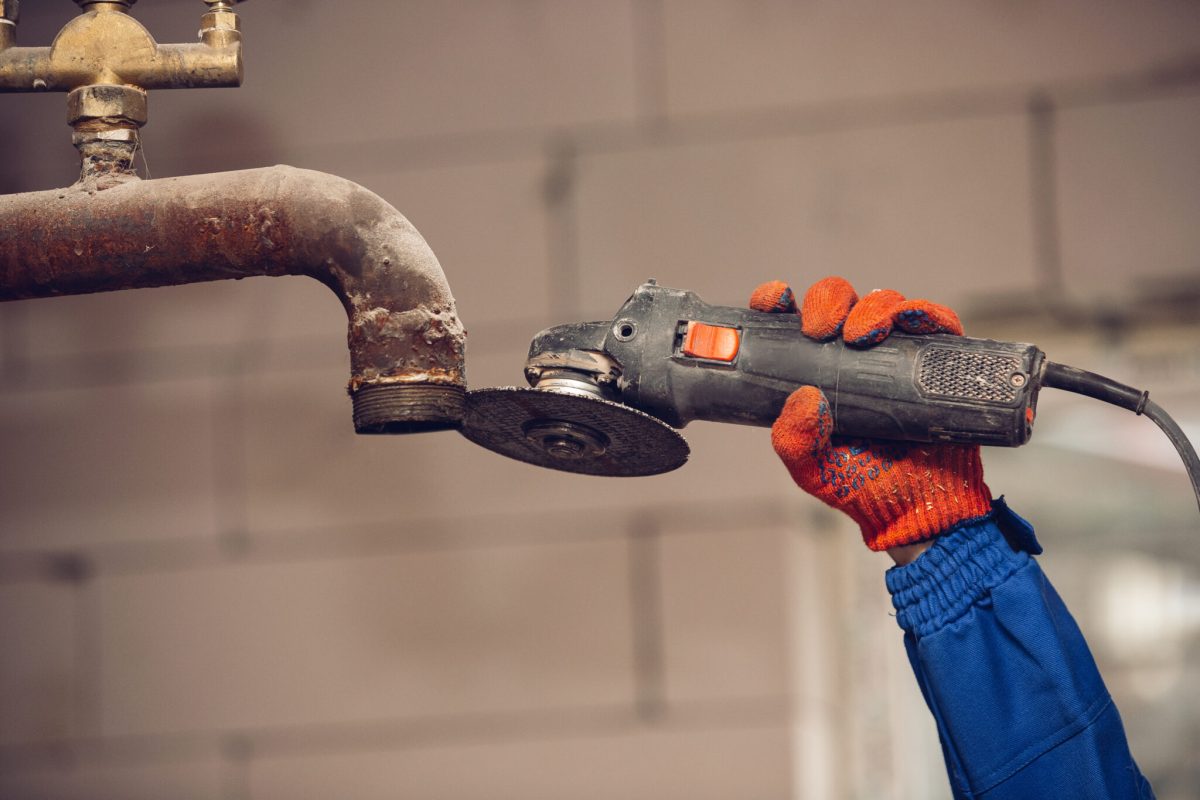
A burst pipe can send water into walls, ceilings, flooring, cabinets, and nearby rooms, so the first priority is to stop the water source when it is safe to do so. Quick action may help limit the amount of water extraction, structural drying, repair, and reconstruction needed afterward.
Frozen pipes also need careful attention even when no water is visible. A frozen section may already be damaged, and a crack may not become obvious until the ice begins to thaw and water pressure returns.
CleanPro Restoration Services provides 24/7 help for burst-pipe water damage in Morris, Illinois, and surrounding communities within approximately a 35–40-mile service area. CleanPro primarily serves residential properties and also handles select commercial restoration projects.
When a pipe bursts, CleanPro focuses on restoring the water-damaged areas of the property. Services may include water extraction, structural drying, cleanup, repairs, and reconstruction. The damaged or failed pipe itself should be repaired by a plumber or other qualified plumbing professional.
For burst-pipe water damage in the Morris area, call CleanPro at (833) 588-2776.
When a pipe bursts, stop the water if it is safe, address electrical concerns, reduce additional water movement, protect accessible belongings, document the damage, and contact the appropriate professionals.
Follow these six steps:
Homeowners should take immediate steps to reduce further damage while arranging for the damaged pipe to be repaired by a qualified plumbing professional.
Water damage restoration does not always need to wait until the plumbing repair is fully completed. In many cases, the pipe repair and water removal process can be coordinated so extraction, drying, and other restoration work can begin as soon as conditions allow.
CleanPro is available 24/7 for emergency water damage calls. Response times may vary depending on location, current conditions, and the nature of the loss.
A frozen pipe may cause reduced water flow, no water flow, visible frost, unusual pipe appearance, or other changes in normal plumbing operation.
Common warning signs include:
If one faucet has little or no water flow during freezing weather, check other fixtures in the property as well. When several faucets are affected, more than one section of plumbing may have been exposed to cold temperatures.
Pipes are often more vulnerable in unheated or poorly insulated areas, including exterior walls, garages, crawl spaces, attics, cabinets, and other colder parts of the building. If you suspect a frozen or damaged pipe, a qualified plumbing professional can inspect the plumbing system while CleanPro addresses any resulting water damage.
A frozen pipe should be thawed carefully using gentle heat, and open flames should never be used.
This section is provided as general homeowner education. CleanPro is not being presented as a plumbing or pipe-thawing contractor.
If a frozen pipe is accessible and there is no visible break, the following general steps may be appropriate:
Never use a torch, open flame, charcoal device, or similar high-heat method to thaw plumbing. These methods can damage the pipe or create a fire hazard.
Do not use electrical heating equipment in standing water or near wet electrical connections.
When the frozen section is hidden, inaccessible, visibly damaged, or cannot be thawed safely, a qualified plumber should evaluate the pipe.
A plumber handles the frozen or damaged pipe; CleanPro handles the resulting water extraction, drying, cleanup, repairs, and reconstruction.
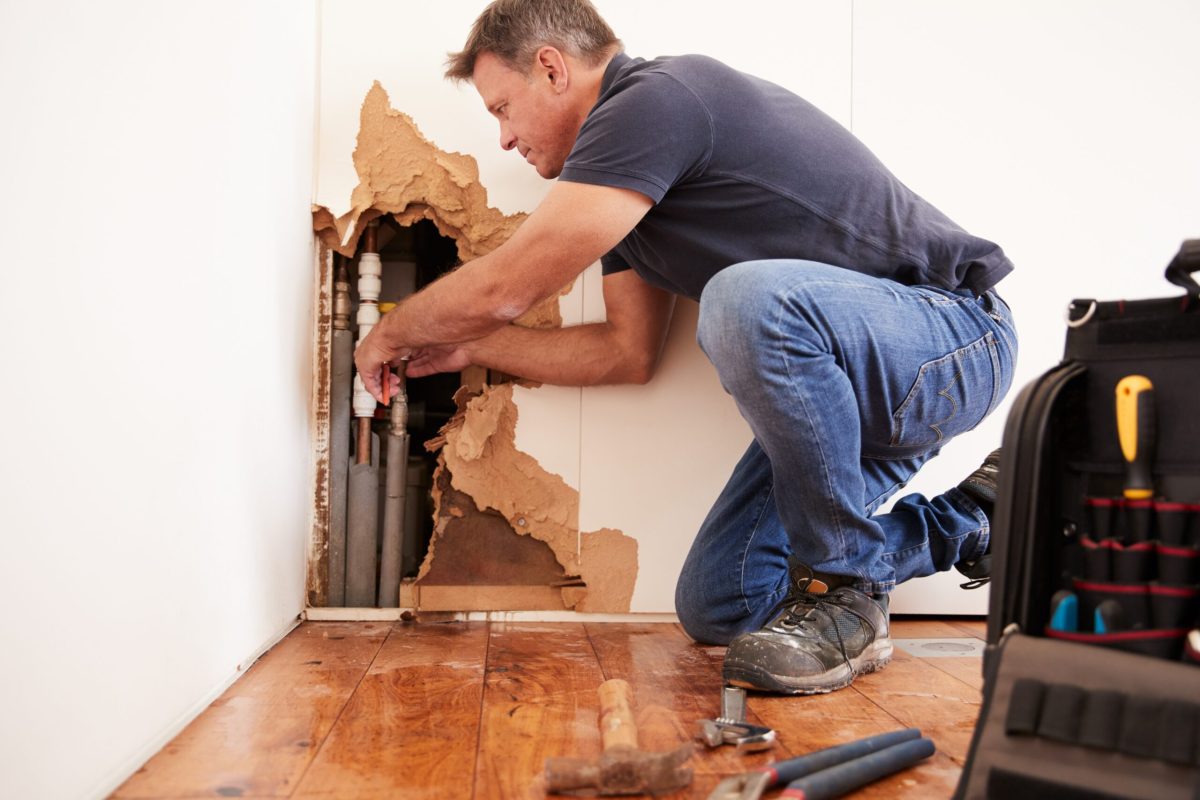
No, frozen pipes do not always burst, but a frozen pipe can be damaged and may begin leaking as it thaws.
As general scientific context, water expands as it freezes. That expansion can increase pressure within a plumbing system and contribute to cracking or failure under certain conditions.
Whether a frozen pipe actually breaks can depend on:
This explanation is general homeowner education rather than a CleanPro-specific plumbing assessment.
A leak may become obvious only after temperatures rise and the ice begins melting. For that reason, property owners should watch the surrounding walls, ceilings, flooring, and cabinets as the line thaws.
If dripping, spraying, staining, or unexpected water appears, shut off the water supply when it is safe and contact the appropriate professionals.
CleanPro handles the water-damage restoration side of burst-pipe losses, including extraction, structural drying, repairs, and reconstruction when needed.
Water can move beyond the area where the pipe actually broke. A plumbing failure on an upper level may affect flooring, walls, and ceilings below. A leak inside a cabinet or wall can also travel into adjoining materials before becoming visible.
Moisture may remain:
Once the water source has been controlled or is being repaired, the restoration process can begin. CleanPro can assess the affected areas, remove standing water, start structural drying, monitor moisture levels, and identify which materials may be restored and which may need repair or replacement.
Many straightforward water damage projects can be completed in about three days, although larger or more complex losses may take longer. The timeline depends on factors such as how far the moisture has spread, the materials affected, drying conditions, and whether reconstruction is needed.
A water damage restoration team can handle the property-restoration side of the loss, including extraction, drying, repairs, and reconstruction. If significant standing water is present, see Emergency Water Removal for more information.
Moisture that remains in building materials for too long can also create conditions that support mold growth. Prompt drying can help reduce that risk and prevent additional damage.
Homeowners insurance may cover certain sudden and accidental water damage caused by a burst pipe, but coverage depends on the terms of the policy, the cause of the loss, any exclusions, and the insurance carrier’s review.
A sudden pipe failure may be handled differently from damage caused by a long-term leak, poor maintenance, or other excluded conditions. Freeze-related claims can also depend on the policy and the circumstances surrounding the loss.
Coverage for the resulting water damage may also be different from coverage for repairing the failed pipe itself. Your insurance carrier will determine whether the loss is covered, what deductible applies, which repairs qualify, and what payment may be available under the policy.
If it is safe to do so, take photos of the visible damage, report the loss to your insurance company promptly, and keep records of plumbing repairs and restoration work.
CleanPro can document the visible restoration conditions and provide relevant project information to the property owner and insurance company during the restoration process.
For a broader explanation, see Does Homeowners Insurance Cover Water Damage? Claims, Coverage, and Exclusions.
Homeowners can reduce frozen-pipe risk by protecting exposed plumbing, maintaining indoor heat, and preparing vulnerable water lines before severe cold.
The following are general winter-prevention recommendations rather than CleanPro service guarantees:
These recommendations are educational. For plumbing-specific winterization advice, consult a qualified plumbing professional.
If winter weather leads to water damage inside the property, CleanPro can evaluate the restoration needs and determine the appropriate scope.
Yes, a frozen pipe may thaw as temperatures rise, but the thawing period can reveal damage that was not visible while the pipe was frozen.
A line that appears normal after water flow returns may still have a crack or weakened section.
Monitor nearby walls, ceilings, cabinets, and flooring for signs of leaking water during and after thawing.
Yes, a frozen pipe may thaw as temperatures rise, but the thawing period can reveal damage that was not visible while the pipe was frozen.
A line that appears normal after water flow returns may still have a crack or weakened section.
Monitor nearby walls, ceilings, cabinets, and flooring for signs of leaking water during and after thawing.
There is no exact number of hours it takes for a pipe to freeze. The risk depends on factors such as outdoor temperature, insulation, pipe location, wind exposure, water movement, pipe material, and indoor heating.
Pipes in unheated or exposed areas are generally more vulnerable than insulated plumbing located inside conditioned spaces. If water flow becomes weak or stops during prolonged freezing weather, treat it as a warning sign and have the plumbing checked rather than waiting for a specific amount of time to pass.
CleanPro Restoration Services is available 24/7 for burst-pipe water damage in Morris, Illinois, and surrounding communities within approximately a 35–40-mile service area, including Plainfield, Shorewood, Joliet, and Naperville.
CleanPro primarily serves residential properties and also handles select commercial restoration projects. For burst-pipe losses, the team can provide water extraction, structural drying, cleanup, repairs, and reconstruction to help restore affected areas of the property.
The damaged plumbing line itself should be repaired or replaced by a qualified plumbing professional.
Call CleanPro Restoration Services at (833) 588-2776 for 24/7 burst-pipe water damage restoration in Morris, IL, and nearby communities.