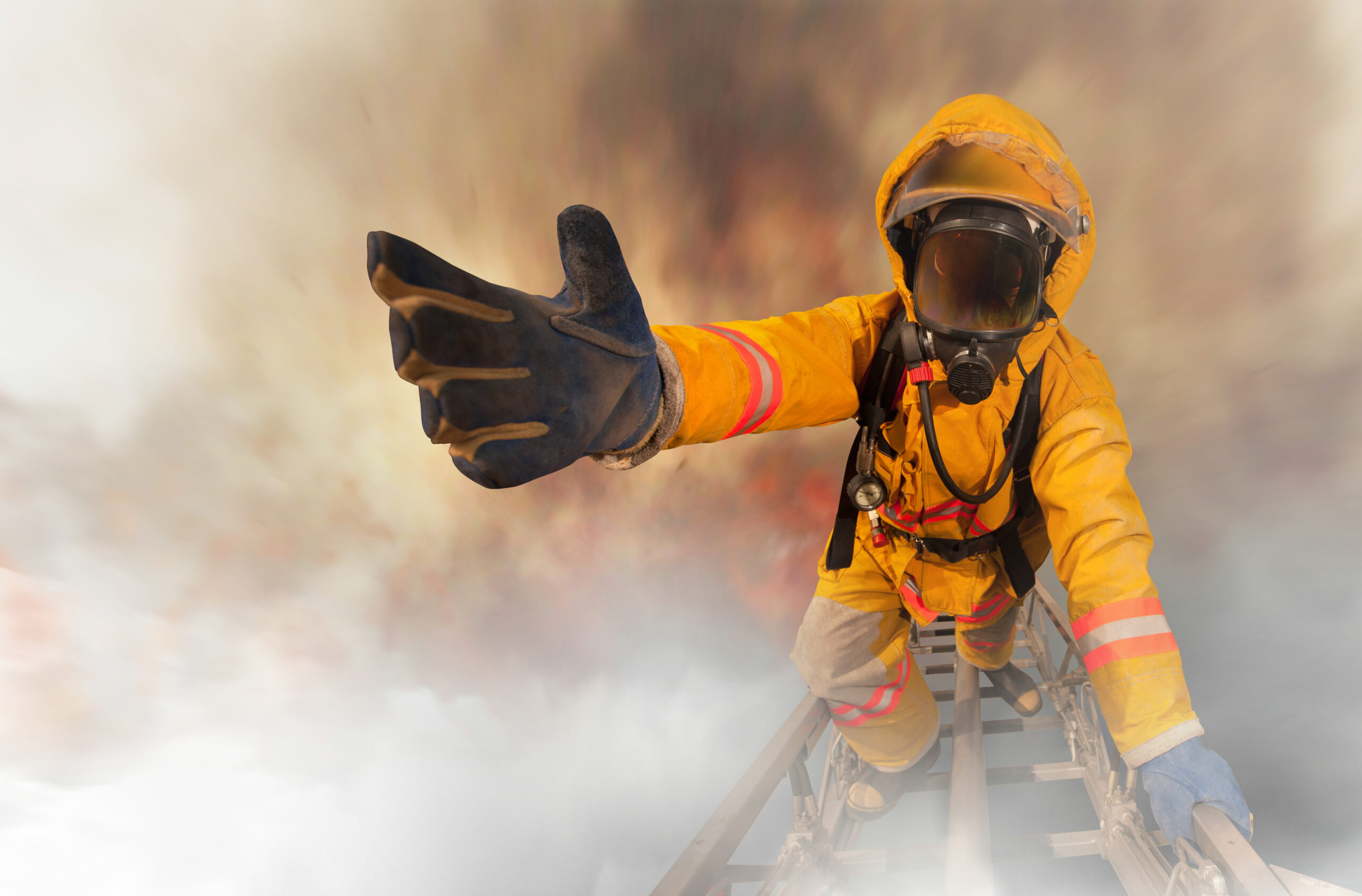
Fire Damage Restoration Experts

Serving Morris IL and the Surrounding Areas – 24/7 Emergency Response

Quick Response to Any Fire Disaster

  • Response Time in 60-Minutes
  • 100% Satisfaction Guaranteed
  • Free Estimates
  • Confirm Your Insurance Coverage for You
  • Trained and Certified by the IICRC
Call for Service

Our Restoration Experts Provide Immediate Response

Fire Damage Restoration in Morris, IL: Cleanup, Soot Removal, and Rebuild

After a fire, the first priority is making sure everyone is safe and the property has been cleared for entry. Once emergency responders finish their work, the property may still have soot, smoke residue, water from firefighting, damaged building materials, and areas that need repair or reconstruction.

Fire restoration is rarely one type of cleanup. Flame damage may be concentrated in one area while smoke travels into adjoining rooms. Water used to extinguish the fire can affect flooring, drywall, framing, or other materials. Some surfaces may be cleaned and restored, while others may be too heavily charred or damaged to remain.

CleanPro Restoration Services provides fire damage restoration and reconstruction from Morris, Illinois, primarily for residential properties and select commercial losses. CleanPro is available 24/7 and serves approved nearby communities within about a 35–40-mile radius.

The exact restoration plan depends on the size of the fire, affected materials, amount and type of residue, water damage, and how much rebuilding is required.

For fire damage restoration in Morris, IL, call CleanPro Restoration Services at (833) 588-2776.
Our Team Works Directly With Your Insurance Company!

No need to contact your agent we handle everything we verify and forward all claims to your insurance provider.

Reviews

Trust CleanPro Restoration to Get Your Home or Business Back to Normal

Call Now to Speak With an Expert!

Call for Service

Fire and Smoke Damage Cleanup Services

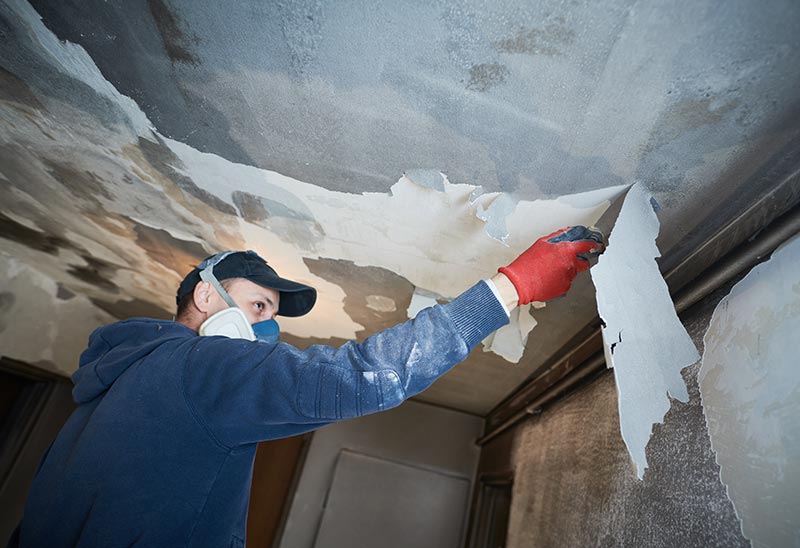
Fire damage restoration can involve evaluating damaged areas, removing fire and smoke residue, addressing firefighting water, cleaning restorable surfaces, and repairing or rebuilding materials that cannot be saved.

Depending on the property and the work CleanPro confirms for the individual project, restoration may include:

  • Fire-damage assessment: Evaluating which rooms and building materials were affected by heat, flames, smoke, soot, or firefighting water.
  • Soot and smoke-residue cleanup: Cleaning affected structural surfaces according to the type and condition of the residue.
  • Water extraction after firefighting: Removing unwanted water when hoses, sprinklers, or other suppression efforts leave building materials wet.
  • Structural drying: Drying materials that remain wet after standing water is removed.
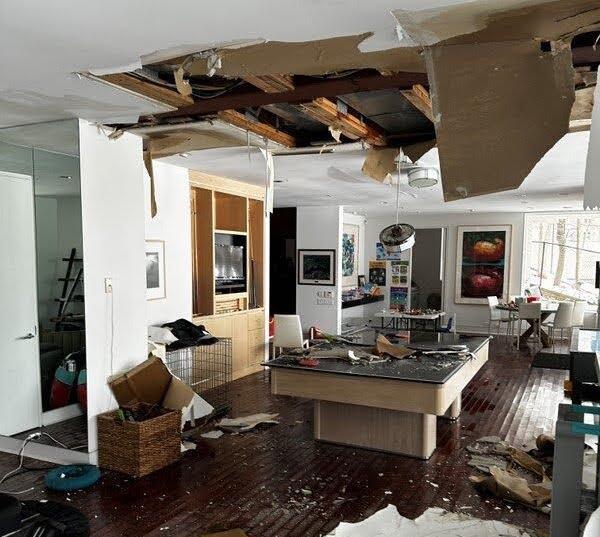
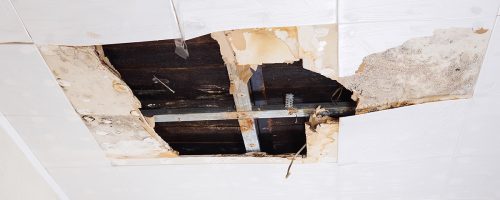
  • Removal of damaged building materials: Taking out drywall, insulation, flooring, trim, or other materials that cannot be properly restored.
  • Repairs and reconstruction: Rebuilding damaged portions of the property after cleanup is complete.

Smoke odor and personal-property cleaning can also become part of a fire-loss discussion, but those services should be evaluated by project rather than assumed to be included in every CleanPro scope.

Temporary board-up or roof tarping may also be needed after some fires when windows, doors, or roofing are damaged. Those services are not currently confirmed as standard CleanPro offerings, so they should not be advertised as guaranteed parts of the company’s fire package unless the client approves them.

For select commercial properties, fire restoration can also require scheduling around access, operations, and building use. CleanPro accepts select commercial restoration projects, but the scope should be confirmed for the individual loss.

Fire Damage Restoration Process

Fire restoration generally moves through safety assessment, water removal when needed, residue cleanup, odor evaluation, salvage decisions, and structural repair or reconstruction.

A typical project can be understood in six stages:

Step 1 – Assess the property and confirm safe access

The restoration team evaluates visible fire, smoke, soot, and water damage after the appropriate authorities have cleared the property for entry. Openings or structural damage may require separate temporary securing before interior restoration can proceed.

Step 2- Remove firefighting water when needed

Fires are often followed by a second type of property damage: water. Fire hoses or automatic sprinkler systems can leave flooring, drywall, insulation, framing, and other materials wet. CleanPro provides water extraction and structural drying within its confirmed water-damage scope. See emergency water extraction for more information.

Step 3 – Evaluate and clean soot and fire residue

Not every soot deposit behaves the same way. The materials that burned, fire temperature, oxygen level, and affected surface can change how residue should be removed.

Step 4 – Address smoke residue and odor conditions

Smoke can travel beyond the room where the fire started. Cleaning the residue is usually an important part of dealing with lingering odor because coating or deodorizing a dirty surface does not remove the material producing the smell.

Step 5 – Decide what can be restored and what must be replaced

Some building surfaces and personal items may be cleanable. Heavily charred, melted, structurally weakened, or otherwise irreparable materials may need replacement. Dedicated contents pack-out or specialty contents restoration should not be presented as a standard CleanPro service unless separately confirmed.

Step 6 – Repair and rebuild damaged areas

Once affected areas have been cleaned, dried where necessary, and cleared for repair, reconstruction can begin. CleanPro provides reconstruction as a confirmed core service.

The ANSI/IICRC S700 Standard for Professional Fire and Smoke Damage Restoration covers professional principles for assessing fire residues and odors and restoring affected buildings and systems. The first edition was published in 2025 and is currently being revised.

Soot Removal: Why the Type of Soot Matters

Soot and smoke residue can behave differently depending on what burned and how the fire burned, so the cleaning method should match the residue and the affected surface.

Restoration professionals commonly describe residues using categories such as wet smoke, dry smoke, and protein-related residue. The IICRC S700 framework focuses on assessing fire residue and odor conditions before selecting restoration methods, while restoration-industry sources commonly use these categories to describe differences in texture and cleaning difficulty.

Residue type Common fire conditions Typical characteristics and cleaning concern
Wet smoke Slower, cooler, oxygen-limited burning Sticky or smeary residue that can be harder to remove without spreading
Dry smoke Faster, hotter, oxygen-rich burning Finer, drier particles that may respond differently to surface cleaning
Protein residue Cooking fires involving meat or other proteins Often a thin, greasy film with persistent odor despite limited visible soot

This classification is useful because wiping every surface with the same product or technique can make a problem worse.

A powdery residue may respond differently from a sticky film. Porous drywall reacts differently from glass or sealed metal. Finished wood, painted surfaces, masonry, flooring, and fabrics can also require different approaches.

That is one reason homeowners should avoid aggressively rubbing soot before knowing what kind of residue they are dealing with. The American Red Cross notes that soot can smear easily when touched.

A Trusted Choice for Over 10,000 Home and Business Owners

Call for Service

What Can Be Saved After a Fire?

Some fire-damaged materials can be restored, while others need replacement because of charring, melting, structural damage, residue penetration, or the cost of restoring them.

The answer depends on what the item is made of and what happened to it.

Glass and some metals may sometimes be cleanable when they have not warped, cracked, melted, or suffered another form of irreversible damage.

Finished wood and hard surfaces may be restorable when heat damage is limited and soot can be removed without destroying the finish or substrate.

Textiles, clothing, and some soft goods may sometimes be cleaned using methods appropriate to the fabric and residue. Smoke odor can be difficult to remove, and the Red Cross notes that some washable items may require repeated cleaning.

Documents and photographs can sometimes be candidates for specialized restoration when heat, water, or soot damage has not destroyed them completely.

Drywall, insulation, flooring, and trim may require replacement when they are heavily burned, structurally compromised, saturated with residue, or damaged by firefighting water.

Melted plastics and deeply charred structural materials are generally much less likely to be candidates for ordinary cleaning.

Salvage decisions should be made from actual material condition rather than assuming that everything exposed to smoke must be discarded—or that everything that still looks intact can be saved.

CleanPro’s confirmed public scope includes fire restoration and reconstruction, but dedicated contents pack-out, document restoration, textile restoration, and other specialty contents services should be confirmed before they are advertised as standard CleanPro offerings.

You can count on CleanPro Restoration to provide immediate response when you need help with fire damage. Our swift reaction minimizes damage, prevents further harm, and reduces costs.

Fire damage restoration is one of our core specialties. Our dedicated team, equipped with extensive training and essential tools, will restore your property to its pre-loss condition.

We offer free initial consultations to evaluate your restoration needs and provide you with a clear and comprehensive plan. Our detailed assessments help identify all areas requiring attention and ensure that we address the root causes of damage, not just the symptoms.

Our specialized team utilizes cutting-edge cleaning techniques and equipment for your property. Our “restore first” mindset reduces disruptions and allows you to return to your life.

Smoke Damage and Odor

Smoke damage is more than an odor problem because residue can settle on walls, ceilings, trim, cabinets, flooring, and other surfaces well beyond the room where the fire occurred.

Odor may remain when residue is still present on structural materials or inside porous surfaces. Removing or cleaning the source is therefore different from trying to cover the smell with fragrance.

The same principle applies to painting.

Do not simply paint over soot or smoke stains. Sherwin-Williams recommends cleaning fire smoke and soot from surfaces as thoroughly as possible and sealing remaining stains with an appropriate primer before applying a finish coat. Painting directly over dirty residue can leave staining or adhesion problems behind.

Some fire losses require more extensive smoke-residue or odor work than others. CleanPro provides fire damage restoration, but dedicated smoke-odor removal should be confirmed for the specific project rather than advertised as a separate guaranteed service until the client approves that scope.

Fire damage restoration costs vary widely because a smoke-cleanup project and a major structural fire are completely different scopes of work.

Current 2026 national consumer estimates from Angi place many professional fire-restoration projects between roughly $3,083 and $52,031, depending on the extent of damage, property size, soot and smoke cleanup, water damage, and reconstruction. These are national market figures, not CleanPro pricing.

The final cost can depend on:

  • Size of the affected area
  • Amount of structural fire damage
  • Type and spread of soot or smoke residue
  • Water damage from firefighting
  • Materials that can be cleaned versus replaced
  • Demolition requirements
  • Structural drying
  • Repair and reconstruction needs

A contained cooking fire that leaves smoke and residue in part of a kitchen has a very different cost profile from a fire that damages several rooms and requires reconstruction.

CleanPro’s previously supplied $2,000–$10,000 project experience should not automatically be used as a fire-restoration price range because that figure was supplied in the context of the company’s broader restoration work and water-damage focus, not as an approved fire-price schedule.

For a fire loss, a project-specific assessment is more reliable than publishing an unsupported CleanPro average.

Standard homeowners policies generally cover fire and smoke damage, subject to the individual policy, exclusions, deductible, limits, and cause of loss.

Triple-I states that standard homeowners policies cover fire and smoke-caused damage to the home’s structure and personal belongings, subject to policy terms. Water damage resulting from firefighting may also be part of a covered fire loss.

If the fire makes a home temporarily uninhabitable, Additional Living Expenses (ALE) or Loss of Use coverage may help pay certain increased living costs while the home is being repaired. Triple-I describes examples such as temporary lodging and increased meal expenses, with limits varying by policy.

After a fire, documentation can include:

  • Photographs of visible damage
  • An inventory of damaged property
  • Fire department or incident information when available
  • Restoration estimates
  • Repair documentation
  • Receipts related to temporary repairs or housing
  • Communication with the carrier and adjuster

The American Red Cross also advises property owners to contact their insurer and avoid discarding damaged goods before an inventory has been taken when possible.

CleanPro can document relevant restoration conditions and coordinate project information with the property owner and insurance company.

CleanPro does not determine coverage, guarantee payment, act as an insurance adjuster, or promise direct billing unless those arrangements are confirmed for the individual project.

A future Property Insurance Claims guide can cover claim documentation and settlement terminology in more detail.

After firefighters leave, do not re-enter or start cleaning until the appropriate authority has said the property is safe.

A practical sequence is:

  1. Wait for clearance. Fire-damaged buildings can have unstable floors, weakened stairs, electrical hazards, broken glass, damaged roofing, and compromised utilities. The Red Cross advises staying out until authorities say it is safe to return.
  2. Contact your insurance company. Report the fire and ask what documentation the carrier needs, how damaged property should be handled, and whether temporary living expenses are available.
  3. Determine whether the property needs temporary securing. Broken doors, windows, or roof sections may require board-up, tarping, or another temporary measure. Those services should be arranged with the appropriate provider; they are not currently confirmed as standard CleanPro offerings.
  4. Document what you can safely see. Take photographs and video before major cleanup when conditions allow. Avoid entering damaged or restricted areas simply to take better pictures.
  5. Avoid rubbing or washing soot without knowing the surface and residue. Soot can smear, and the wrong cleaning method may spread residue or damage the material. The Red Cross specifically cautions against touching soot unnecessarily because it can smear easily.
  6. Ask about temporary housing if the home cannot be occupied. ALE coverage may apply under some homeowners policies when a covered fire makes the home uninhabitable. Check the policy and keep receipts for eligible increased living expenses.

Once the property is safe and the restoration scope is clear, cleanup can move from water removal and residue cleaning into repairs and reconstruction.

Serving the Morris IL Areas


Serving Morris IL and the Surrounding Areas

CleanPro is available 24/7 to provide your home with comprehensive restoration services. Contact us today for a fast, free estimate!

Can fire damage be repaired?

Yes, many fire-damaged properties can be repaired, but the scope depends on whether structural materials remain sound and which surfaces can be cleaned rather than replaced.

Smoke residue and limited surface damage may require cleaning and refinishing. More severe losses may require removal of damaged drywall, insulation, framing, flooring, or other building materials followed by reconstruction.

CleanPro provides fire damage restoration and reconstruction for qualifying projects.

How long does fire damage restoration take?

Fire restoration can range from days or weeks for limited smoke and cleanup work to several months for projects requiring extensive structural repairs or rebuilding.

Current national consumer guidance from Angi reports that fire-restoration timelines can range from roughly two weeks to 12 months, with an average around four months across the projects it tracks. Those figures are broad national planning estimates, not CleanPro guarantees.

The biggest timeline drivers are the size of the fire, amount of water damage, soot spread, demolition requirements, material availability, insurance decisions, permits, and reconstruction scope.

Is it bad to buy a house that had fire damage?

Not necessarily. A previously fire-damaged house can be a reasonable purchase when the damage was professionally repaired, the structural work was properly completed, and documentation is available.

The concern is not simply that a fire happened. The concern is whether hidden structural damage, smoke residue, electrical problems, water damage, or incomplete repairs remain.

A prospective buyer should review disclosure documents, permits and repair records where available, and obtain appropriate inspections rather than relying only on cosmetic appearance.

Ensuring Peace of Mind for Those Affected Within Our Communities

CleanPro Restoration Services provides 24/7 fire damage restoration in Morris, IL, and approved nearby communities within approximately a 35–40-mile radius.

CleanPro primarily serves residential properties while also accepting select commercial restoration projects. Approved target communities include Plainfield, Shorewood, Joliet, and Naperville.

If a fire has left soot, smoke residue, firefighting water, damaged building materials, or reconstruction needs, contact CleanPro to discuss the property and determine the appropriate restoration scope.

Call CleanPro Restoration Services at (833) 588-2776 for 24/7 fire damage restoration in Morris, IL and approved nearby communities.

Call for Service Our Difference