Homeowners Insurance & Water Damage
Quick Response to Any Disaster
- 24/7 Emergency Response
- Expert Restoration Services
- Advanced Technology
- Customer-Focused Care
- Trusted & Reliable

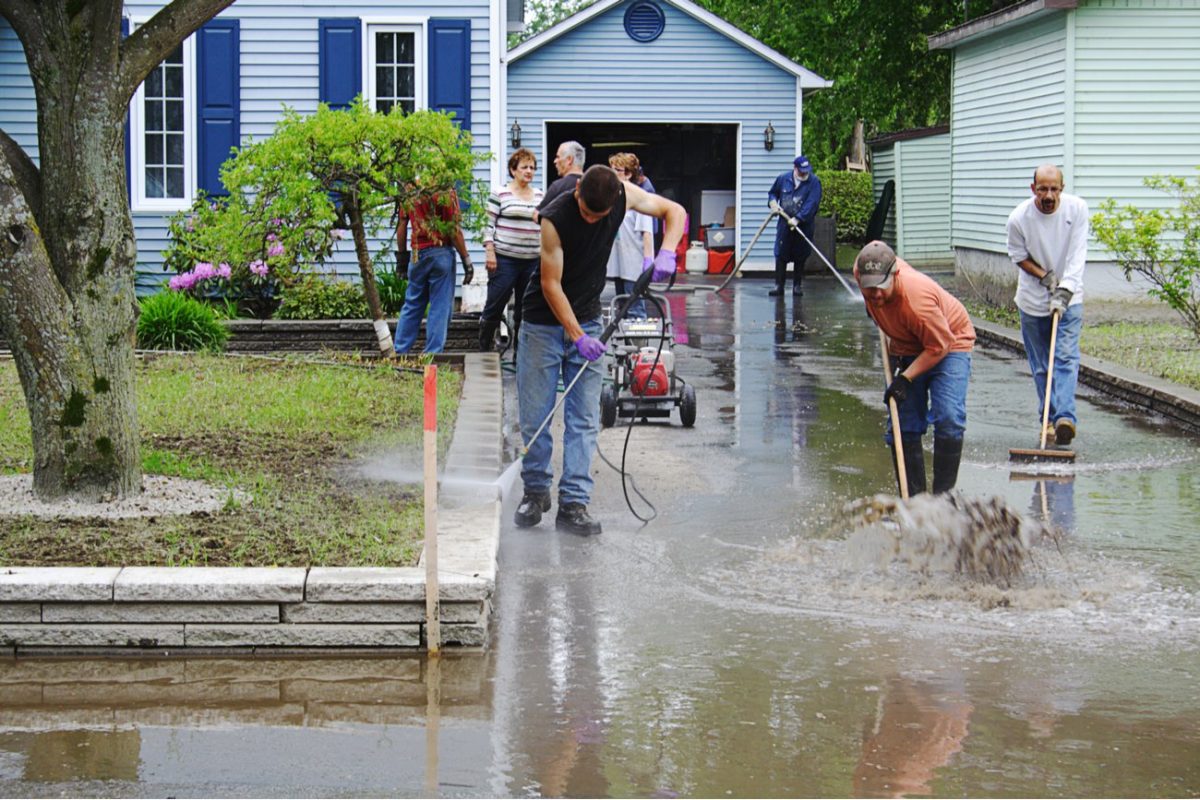
Homeowners insurance often covers water damage when the loss is sudden and accidental, particularly when the water comes from inside the home, but it generally does not cover outside flooding, gradual leaks, neglected maintenance, or every type of water backup. The exact answer always depends on the policy, cause of loss, exclusions, endorsements, and circumstances surrounding the damage.
That distinction matters after a pipe breaks, an appliance supply line fails, or water suddenly spreads through a home. The visible damage may look similar from one loss to another, but the source of the water can completely change how an insurance company evaluates the claim.
The restoration side of the process is different from the coverage decision. A restoration contractor evaluates and addresses the property damage. The insurance carrier interprets the policy and determines what is covered, what deductible applies, and what it will pay.
CleanPro Restoration Services provides water-damage restoration from Morris, Illinois, primarily for residential properties and select commercial losses. The company’s confirmed water-damage work includes extraction, structural drying, repairs, and reconstruction.
Homeowners insurance may cover resulting water damage when the event is sudden, accidental, and caused by a peril covered under the policy. “May” is important: the same type of loss can be treated differently depending on policy language and how the damage occurred.
Common examples include:
These examples are general insurance education, not CleanPro coverage guarantees.
The most useful question after a loss is often not simply, “Is water damage covered?” but rather, “What caused this particular water damage, and what does my policy say about that cause?”
Homeowners insurance does not cover every type of water damage. Outside flooding, gradual deterioration, neglected repairs, and some forms of water backup are common areas where standard policies may exclude or limit coverage.
Rising or overland floodwater: Most homeowners policies do not cover flood damage caused by water rising from outside the home. FloodSmart, the official National Flood Insurance Program resource, states that most homeowners insurance does not cover flood damage. Flood insurance is a separate form of coverage.
A future Flood Insurance and the NFIP guide can explain this distinction in greater depth.
Gradual leaks and seepage: A leak that has continued for weeks or months may be treated differently from a pipe that suddenly bursts. Progressive notes that gradual water damage associated with wear, deterioration, or neglected repairs is typically not covered by standard homeowners insurance.
Deferred maintenance or neglect: Insurance is generally designed for covered accidental losses, not routine maintenance. Damage may be denied when the insurer concludes that a property owner knew about a problem and failed to address it.
Sewer backup or sump-pump overflow: Standard homeowners policies often do not automatically cover water backing up through sewers, drains, or sump systems. Optional water-backup coverage may be available through an endorsement. NAIC lists sewer-backup coverage as a common optional homeowners coverage, while Progressive similarly describes water-backup and sump-overflow protection as an add-on.
A future Water Backup Coverage guide can explain how that endorsement works.
The failed appliance or plumbing component itself: A policy may cover resulting damage without paying to replace the item that failed. For example, insurance may potentially cover damaged flooring after a sudden pipe failure while excluding the deteriorated pipe or worn component that caused it.
The policy itself controls. When there is uncertainty, ask the insurer or licensed insurance professional to identify the specific policy language that applies.
A strong water-damage claim starts with protecting the property, documenting the conditions, notifying the insurance company, and keeping organized records of the restoration work.
The following six steps provide a practical starting point.
A future Actual Cash Value vs. Replacement Cost guide can explain that distinction in more detail.
If a claim becomes complicated, a future Property Insurance Claims guide can also cover documentation, adjusters, proof-of-loss requirements, and claim disputes in greater depth.
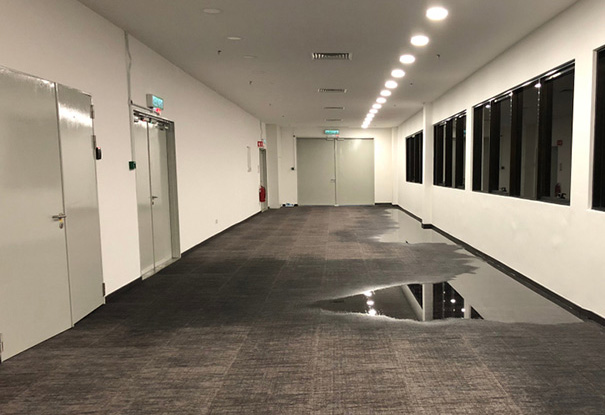
Water-damage claims can be denied when the insurer concludes that the cause falls outside the policy, required documentation is missing, or the damage developed from an excluded condition.
Common reasons can include:
A denial does not necessarily mean there is nothing more to review.
Ask the insurer to explain the basis for the decision and identify the relevant policy provision. Compare that explanation with the policy, photographs, cause-of-loss information, repair records, and restoration documentation.
If additional information exists, ask whether the carrier will reconsider the claim. Illinois homeowners can also contact the Illinois Department of Insurance when they need consumer assistance understanding an insurance issue.
Before calling the insurance company, know the likely source of the water, document what you can safely see, and avoid making assumptions about whether the loss is covered.
If a pipe has burst, shut off the water when it is safe.
If water is near electrical equipment, do not enter the affected area until electrical conditions are safe.
Take photographs and video before major changes are made when practical, but do not leave an active water loss untreated simply because you are waiting for perfect documentation.
When you speak with the insurer, ask:
Also consider the deductible in relation to the likely amount of covered damage. A very small loss may be close to or below the deductible, but water damage can also extend farther than the visible area. If you are uncertain, discuss the situation with your insurance agent or carrier rather than making the decision from the visible puddle alone.
The most important principle is to separate three questions:
Those answers may overlap, but they are not the same question.
Will insurance pay if a pipe bursts while I’m away?
It may, particularly when the pipe failure was sudden and accidental and reasonable precautions were taken to maintain heat and protect the plumbing.
NAIC notes that homeowners policies often cover resulting damage from frozen pipes when the homeowner took reasonable steps to maintain the pipes and keep them from freezing. Coverage can be affected if the insurer determines that reasonable precautions were not taken while the property was vacant or exposed to freezing temperatures.
The policy and circumstances control the final decision.
Often, coverage for the resulting water damage is different from coverage for the failed pipe, appliance, or component that caused the loss.
A policy may potentially pay for damaged drywall, flooring, or other covered property after a sudden plumbing failure while excluding the worn, deteriorated, or defective component itself.
Ask the adjuster to separate the covered resulting damage from the cost of repairing the source.
Mold may be covered when it results directly from a covered sudden and accidental water loss, but mold coverage can be limited, excluded, or subject to special policy terms.
Progressive notes that mold is generally not covered unless it results from a sudden or accidental incident that the policy covers. The exact limit and conditions vary by insurer and policy.
A future Who Pays for Mold Remediation? guide can explain that coverage chain in more detail.
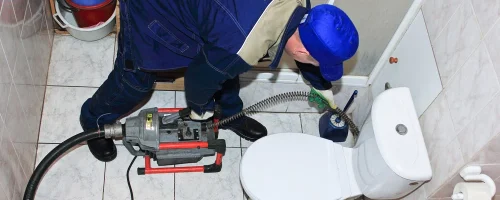
CleanPro Restoration Services provides 24/7 water-damage restoration from Morris, Illinois, serving properties within about a 35–40-mile radius, including Plainfield, Shorewood, Joliet, and Naperville.
CleanPro primarily serves residential properties while also accepting select commercial restoration projects.
If a pipe break, refrigerator line, dishwasher line, or another water loss within CleanPro’s restoration scope affects your property, document the conditions when it is safe and contact your insurance company promptly.
For water extraction, structural drying, repairs, and reconstruction after a water loss, contact CleanPro Restoration Services.