Basement Water Damage
Quick Response to Any Disaster
- 24/7 Emergency Response
- Expert Restoration Services
- Advanced Technology
- Customer-Focused Care
- Trusted & Reliable

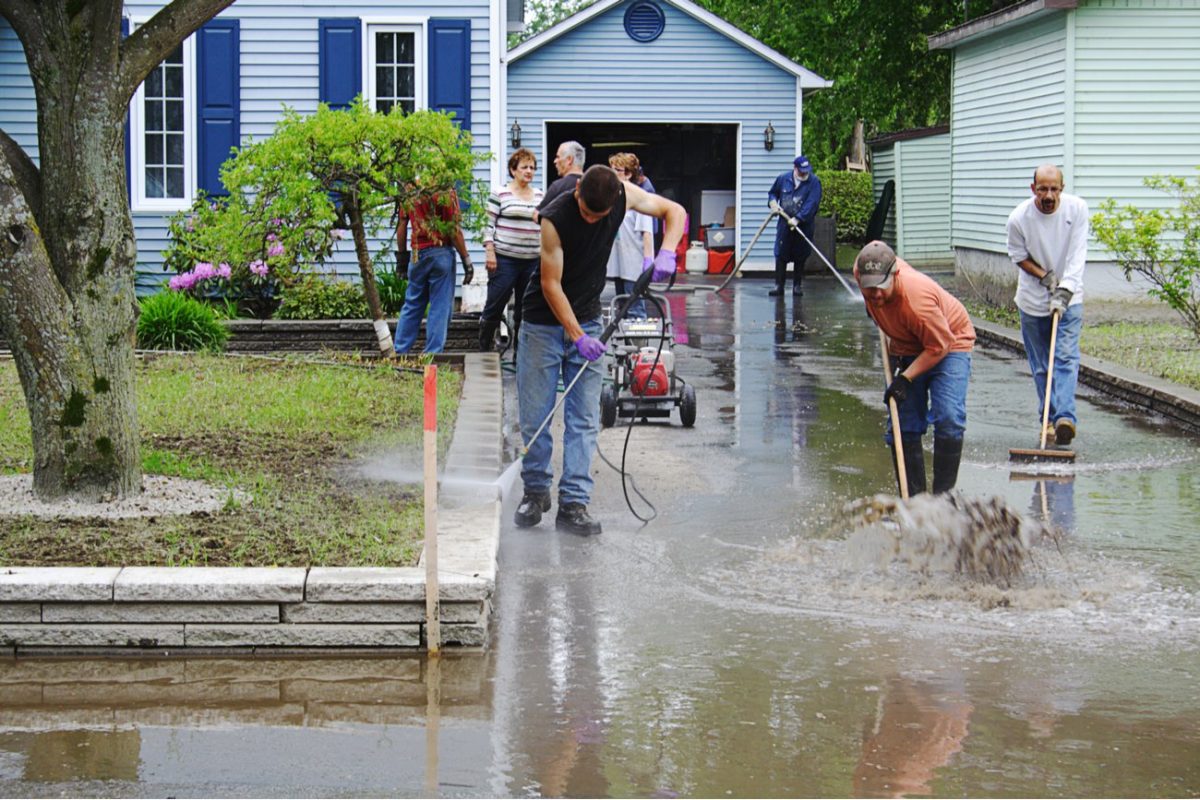
Water in a basement, crawl space, or another below-grade area should be approached as a property-damage situation first—not automatically as a dedicated basement-cleanup service. Electrical hazards, the source of the water, moisture spread, contamination concerns, and affected building materials all need to be considered before cleanup or drying begins.
Do not enter standing water when outlets, electrical equipment, appliances, sump pumps, wiring, or an electrical panel may be energized. If power cannot be shut off from a dry and safe location, stay out of the affected area and contact an appropriate qualified professional.
Water can reach below-grade areas for many reasons, including plumbing failures, appliance leaks, water heater problems, storm-related intrusion, drainage conditions, sump pump problems, or seepage through foundation materials. These causes are discussed here as homeowner education. They should not be interpreted as a list of dedicated CleanPro basement, sump-pump, drainage, sewer, or waterproofing services.
CleanPro Restoration Services provides 24/7 water-damage restoration from Morris, Illinois, primarily for residential properties and select commercial losses. Confirmed capabilities include water extraction, structural drying, repairs, and reconstruction.
If water reaches a basement, crawl space, or another below-grade or hard-to-access area, CleanPro can evaluate the loss and determine whether it falls within the company’s current water-damage restoration scope.
When water reaches a below-grade area, focus first on safety, controlling the source when possible, documenting visible conditions, removing water appropriately, and beginning structural drying.
Follow these five general steps:
These are general water-damage steps rather than a representation that CleanPro operates a dedicated flooded-basement service.
When water has reached a basement, crawl space, or other hard-to-access location, CleanPro can evaluate the damage and determine the appropriate restoration scope.
Water can reach below-grade areas through a combination of plumbing, drainage, weather, equipment, and building-envelope conditions.
The following six causes are common educational examples:
These examples explain how below-grade water damage can happen. They are not intended to imply that CleanPro repairs sump pumps, sewer lines, foundations, plumbing systems, or drainage systems.
CleanPro’s role is to evaluate the resulting property damage and determine whether extraction, structural drying, repairs, or reconstruction fall within its current restoration scope.
Water-damage cleanup in a below-grade area should begin only after electrical, structural, and possible contamination hazards are considered.
A small amount of recent water from a known clean interior source presents different conditions from deep standing water, water of unknown origin, or water that may contain contamination.
For a very small and accessible clean-water incident, a homeowner may be able to remove limited surface water using equipment specifically designed for wet extraction, provided there are no electrical or structural hazards.
Never use a standard household dry vacuum to collect water.
When water is unusually deep, the source is unknown, or contamination may be involved, avoid entering the area until conditions can be evaluated safely.
General water-damage restoration may involve:
These are general restoration steps—not a promise that CleanPro provides every kind of flooded-basement, sewer, flood, or specialty-cleanup service.
If water reaches a basement or another difficult-to-access area, CleanPro can evaluate whether the project falls within its current water-damage restoration scope.
Drying below-grade water damage can require more than removing visible water because moisture may remain inside porous and concealed materials.
Concrete, drywall, insulation, wood framing, flooring, and other materials absorb and release moisture differently. A surface may appear dry while moisture remains behind finishes or within the building assembly.
Professional structural drying may involve controlled air movement and dehumidification.
Air movers increase airflow across wet materials, while dehumidifiers remove moisture from the surrounding air. Moisture measurements can help determine whether affected materials are progressing toward appropriate drying conditions.
Drying time should not be based on a fixed schedule alone.
CleanPro reports that many straightforward water projects are typically completed in around three days, but this is client-reported project experience rather than a guaranteed basement or below-grade drying timeline.
Actual project duration depends on factors such as:
Crawl spaces can present similar challenges because plumbing failures or moisture intrusion may affect framing, insulation, subflooring, and other concealed materials.
Vapor barriers, foundation drainage, waterproofing systems, and other long-term moisture-control measures are separate from CleanPro’s confirmed services.
If water reaches a crawl space or another hard-to-access location, CleanPro can evaluate the loss and determine whether restoration work falls within its current scope.
Mold can begin developing on damp building materials within approximately 24–48 hours under favorable conditions, which is why prompt drying is commonly recommended after water damage.
This timeframe is general mold-prevention guidance, not a CleanPro-specific guarantee.
Actual mold development depends on conditions such as:
Below-grade spaces may retain humidity and have limited natural airflow, which can allow building materials to stay damp longer than expected.
Possible warning signs include:
Removing visible water does not automatically eliminate mold risk if moisture remains inside walls, flooring, insulation, or framing.
When a water-damage loss is accompanied by visible mold or another mold concern, a mold remediation team may be appropriate.
Mold remediation is a confirmed CleanPro service, although the scope should always be based on the actual conditions at the property.
There is no single price for water damage in a basement or other below-grade area because cost depends on the source, moisture spread, affected materials, accessibility, and repair requirements.
This section provides general water-damage pricing context rather than a CleanPro price for a dedicated flooded-basement service.
Based on client-provided project experience, CleanPro water-damage projects can vary widely and often fall around $2,000–$10,000, with larger-loss projects potentially costing more.
That range applies to CleanPro’s broader water-damage project experience and should not be interpreted as a guaranteed basement-cleanup quote.
Factors that may influence the cost include:
A limited pipe leak affecting exposed concrete or a small amount of drywall can have a substantially different scope from water affecting flooring, finished walls, insulation, framing, and multiple rooms.
For broader pricing information, see Water Damage Restoration Cost.
Insurance coverage for water damage in a below-grade area generally depends on the source of the water and the specific policy.
This section is general insurance education and is not a CleanPro coverage promise.
Different causes can be treated differently.
Burst-pipe water damage: Some homeowners policies may cover resulting damage from a sudden and accidental plumbing failure, subject to policy terms, exclusions, deductibles, and circumstances.
Sump or sewer backup: Some policies may require separate water-backup or sewer-backup coverage.
Overland or rising floodwater: Outside flooding is generally treated differently from an interior plumbing loss and may require separate flood insurance.
These are broad educational distinctions rather than guarantees about a specific claim.
The insurance company determines:
CleanPro can document visible restoration conditions and coordinate relevant project information with the property owner and insurance company.
CleanPro does not determine insurance coverage or guarantee claim approval.
For additional information, see Does Homeowners Insurance Cover Water Damage?.
Reducing future water problems in below-grade areas involves identifying plumbing, drainage, moisture, and building-envelope conditions before they create additional damage.
The following are general homeowner-prevention tips rather than CleanPro service offerings:
CleanPro is not being presented as a sump-pump installer, foundation waterproofing contractor, grading company, drainage contractor, or plumbing provider.
For significant standing water, equipment designed for wet extraction is generally more effective than household towels or absorbent materials.
Towels can help with a very small surface spill but cannot remove moisture already absorbed by drywall, flooring, framing, or other building materials.
The important questions are where the water came from, how far it traveled, and whether materials beyond the visible wet area are affected.
If water reaches a basement, crawl space, or other below-grade area, CleanPro can evaluate whether the loss falls within its current restoration scope.
There is no fixed drying time because moisture volume, humidity, affected materials, accessibility, and concealed water all influence the process.
Some structural-drying projects require several days, but actual moisture measurements and material conditions should determine when drying is complete.
CleanPro reports that many straightforward water projects are typically completed in around three days, but this is client-reported experience rather than a guaranteed basement-drying timeline.
Finished flooring, drywall, insulation, framing, or concealed cavities may require additional drying time.
The project should be evaluated based on actual moisture conditions rather than assuming that a predetermined number of days will be sufficient.
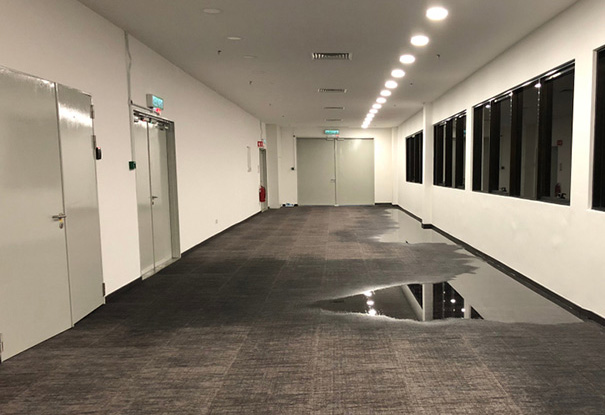
CleanPro Restoration Services is available 24/7 for water-damage restoration in Morris, IL, and nearby communities within about a 35–40-mile radius.
CleanPro primarily serves residential properties while also accepting select commercial water-damage projects. Approved target communities include Plainfield, Shorewood, Joliet, and Naperville.
Basement water removal and flooded-basement cleanup are not currently confirmed as standalone CleanPro service lines. If water reaches a basement, crawl space, or another below-grade or hard-to-access area, CleanPro can evaluate whether the project falls within its current water-damage restoration scope.
Call CleanPro Restoration Services at (833) 588-2776 for 24/7 water-damage restoration in Morris, IL and approved nearby communities.