Water Damage Restoration Process
Quick Response to Any Disaster
- 24/7 Emergency Response
- Expert Restoration Services
- Advanced Technology
- Customer-Focused Care
- Trusted & Reliable

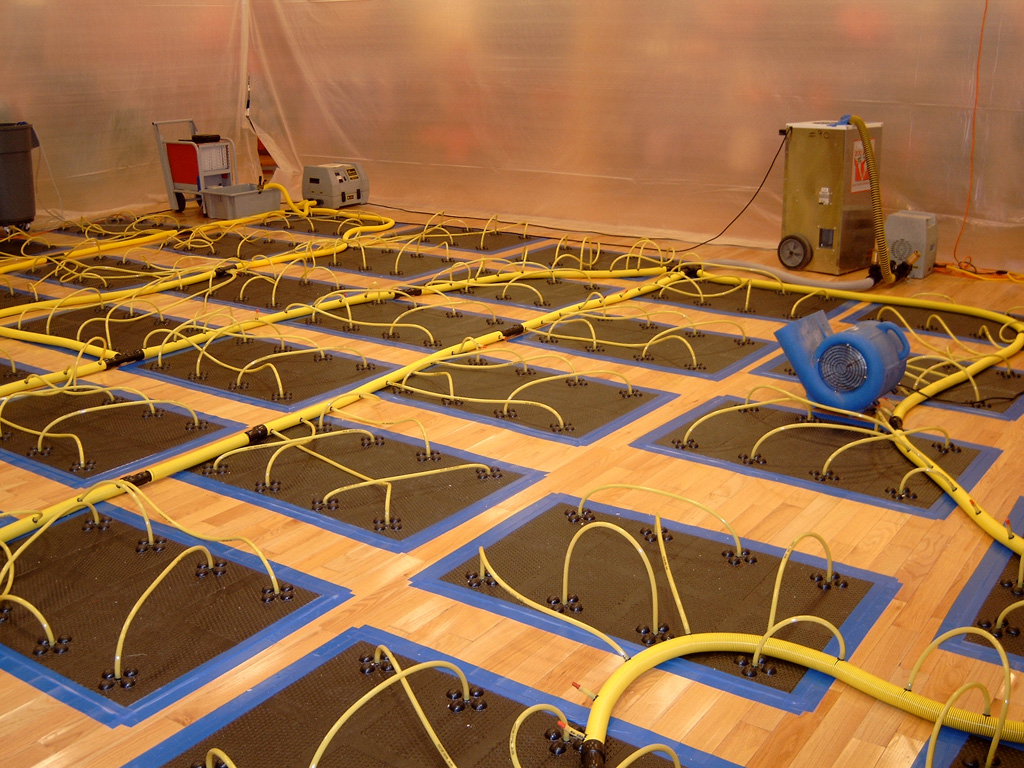
The water damage restoration process has six main steps: inspection and assessment, water extraction, structural drying, cleaning and sanitizing, moisture monitoring, and repairs or reconstruction. Each stage helps control the immediate loss, protect unaffected areas, and move the property toward a safe and usable condition.
The exact process depends on where the water came from, how far it traveled, which materials became wet, how long moisture remained, and whether contamination or structural damage is present. A small refrigerator-line leak found quickly may need focused extraction and drying. A burst pipe affecting walls, floors, insulation, and several rooms may require a larger restoration and reconstruction scope.
CleanPro Restoration Services provides 24/7 water damage restoration from Morris, Illinois, serving primarily residential properties along with select commercial losses. Services include help with burst and frozen pipes, refrigerator supply-line leaks, dishwasher leaks, water extraction, structural drying, repairs, and reconstruction.
Many straightforward water damage projects can be completed in around three days, although the actual timeline depends on the size of the loss, moisture levels, the materials affected, and whether repairs or reconstruction are needed.
Professional water damage restoration moves through six connected steps: inspect the loss, extract the water, dry the structure, clean affected materials, verify drying progress, and repair or rebuild the damaged area.
The six steps are:
The process is not simply a matter of removing visible water. Moisture can move under flooring, behind baseboards, into drywall, through insulation, and between levels of a building. A room may look dry at the surface while surrounding building materials still contain moisture.
Professional water damage restoration practices may reference the ANSI/IICRC S500 Standard for Professional Water Damage Restoration, which provides industry guidance on areas such as inspection, drying methods, equipment use, documentation, safety, building materials, and structural restoration.
The specific restoration process can vary from one property to another based on the source and extent of the water damage, the materials affected, moisture conditions, and the findings from the initial assessment.
Inspect the property first to identify the likely water source, safety concerns, moisture spread, water category, and damage class.
The initial assessment begins with understanding what happened. The restoration team may ask when the water was discovered, whether the source is still active, which areas appear affected, and whether there are electrical, structural, mold, or contamination concerns.
When it is safe, the active source should be stopped or controlled before restoration progresses. That may involve closing a plumbing valve, shutting down an appliance, or coordinating repair of the source with the appropriate trade professional.
The inspection then moves beyond the visible wet area. Moisture meters and other evaluation tools may help identify water in flooring, walls, trim, cabinets, insulation, and adjoining materials.
These findings help define the actual moisture boundary rather than basing the restoration plan only on what can be seen from the surface.
During a water damage assessment, the restoration team may classify the loss by water category and damage class. The water category helps describe the condition of the water and the potential level of contamination, while the damage class reflects how extensively building materials have absorbed moisture and how much drying may be required.
A professional inspection can help document the initial conditions, identify how far moisture has spread, and guide the extraction and drying plan. For more information about locating hidden moisture and evaluating affected areas, see Water Damage Inspection.
Remove standing and readily accessible water before beginning the main structural-drying phase.
Extraction may involve portable water-removal equipment, wet-recovery equipment, or other professional extraction methods depending on how much water is present and where it is located.
The goal is to remove as much liquid water as practical before relying primarily on air movement and dehumidification.
This sequence matters because physically removing water is generally more efficient than trying to evaporate a large amount of liquid water from wet building materials.
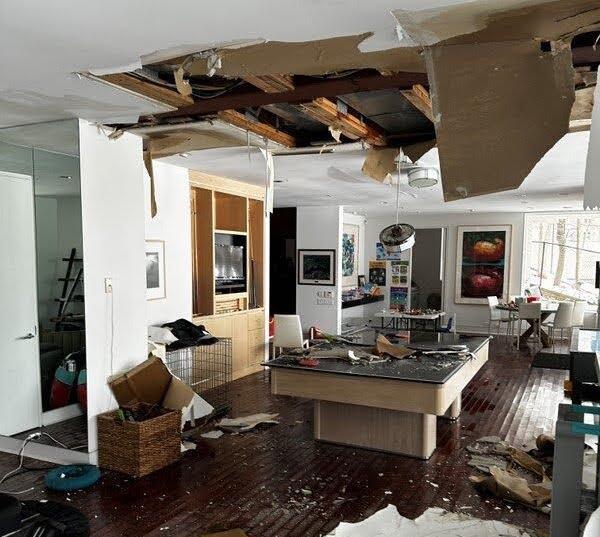
A burst pipe can release a significant amount of water before anyone discovers the problem or reaches the shutoff valve. The actual amount depends on the size of the plumbing line, water pressure, location of the break, and how long the source remains active.
Restoration decisions are based on the actual conditions found at the property, including how far the water has spread, which materials are affected, and whether hidden moisture is present.
During water extraction, furniture or other items may need to be moved temporarily so affected flooring, walls, or other building materials can be reached. In some cases, damaged materials may also need to be removed if they cannot be dried effectively or if they prevent access to wet areas.
If standing water is present near electrical equipment, outlets, appliances, or panels, avoid entering the affected area until it is safe to do so. Power should only be shut off from a dry location, and electrical switches or equipment should not be handled while standing in water.
For more information about immediate water removal, see Emergency Water Removal.
Dry the remaining moisture with controlled air movement, dehumidification, and access to wet building materials.
After extraction, moisture can remain inside porous and semi-porous materials. Drying equipment helps encourage moisture to move out of those materials and into the surrounding air, where dehumidification can remove it from the indoor environment.
Air movers are specialized fans used to increase airflow across wet surfaces. Their placement depends on the room layout, affected materials, and moisture conditions found during the project.
Dehumidifiers reduce moisture in the air and help support continued drying. Without adequate moisture removal from the air, evaporation can slow, and building materials may remain wet longer.
Drying may also require access to concealed wet materials. Baseboards, limited sections of drywall, flooring, or other building materials may need to be opened or removed when moisture is trapped behind them or when the material cannot be properly restored in place.
Water damage drying often takes several days, but the exact timeline depends on the size of the affected area, the amount of moisture present, the materials involved, and whether hidden moisture is found.
Many straightforward CleanPro projects may be completed in about three days, while larger or more complex losses can take longer. Dense materials, moisture trapped behind walls or under flooring, and reconstruction needs can all extend the restoration process.
The type, number, and placement of drying equipment are determined by the conditions found at the property rather than by a fixed number of machines or a set drying schedule.
Clean affected surfaces according to the source of the water, the condition of the materials, and the needs of the individual restoration project.
Not every water loss requires the same cleaning approach. A recently discovered supply-line leak may have different restoration requirements from water with unknown or elevated contamination concerns.
Hard, nonporous surfaces may sometimes be cleaned and dried when their condition allows it. Porous materials may require additional evaluation because moisture can penetrate below the visible surface.
Cleaning products or antimicrobial treatments may be used when appropriate for the material and project conditions, but they do not replace water extraction, removal of materials that cannot be restored, or proper structural drying.
If personal belongings or movable items are affected, their condition can be evaluated as part of the overall loss assessment. However, contents cleaning, contents restoration, pack-out, and specialty contents handling are not confirmed as standard CleanPro services in the current approved fact sheet.
The safer public-facing position is that CleanPro can evaluate the loss and determine the appropriate restoration scope based on the conditions present.
Odor concerns should also be evaluated based on their source. Covering an odor does not correct an underlying moisture, mold, or damaged-material problem.
Monitor moisture conditions during drying and verify that affected materials are making appropriate drying progress before equipment is removed.
Drying equipment should not simply be installed for a predetermined number of days without checking the conditions.
Moisture readings can help show whether affected materials are drying and whether the restoration plan needs to be adjusted.
Relative humidity and temperature readings may also provide useful information about the drying environment.
Equipment placement can change as a project progresses. An air mover may need to be repositioned, drying conditions may change, or additional access may be required when a material is not drying as expected.
Monitoring helps reduce the risk of ending the drying process based only on appearance. Drywall, subflooring, framing, and other materials can still contain moisture even after a surface feels dry.
Project documentation may include moisture readings, photographs, equipment notes, work records, and final observations.
The ANSI/IICRC S500 standard is sometimes referenced in the restoration industry for documentation, inspection, drying, equipment, and structural-restoration principles. Again, this is educational context rather than a public guarantee that every CleanPro project uses the same documentation format or procedure.
Repair or reconstruct materials that cannot be returned to usable condition through extraction, drying, and cleaning alone.
Minor water damage repairs may involve drywall, trim, paint, flooring, or other finish materials. Larger projects can involve more extensive repair or rebuilding depending on what the water affected.
The decision to restore or replace a material depends on more than whether it became wet.
Condition, swelling, delamination, structural damage, finish damage, moisture retention, access, and repair practicality can all influence the decision.
CleanPro provides water damage restoration and reconstruction as confirmed core services. That means an eligible project can move from extraction and structural drying into repairs or rebuilding when reconstruction is necessary.
The safer description is that CleanPro provides water extraction, drying, restoration, repairs, and reconstruction according to the needs of the loss.
Reconstruction normally begins after affected areas have been sufficiently dried or damaged materials have been removed and the repair scope is established.
Project timelines vary considerably. A limited repair can move relatively quickly, while a larger reconstruction project can require additional time based on damage extent, materials, scheduling, and scope.
Water damage categories describe general levels of contamination and potential risk associated with a water loss. The categories below are provided as educational restoration terminology rather than a claim that CleanPro publicly offers every type of specialty cleanup associated with them.
| Water category | Common source examples | General educational handling concept |
| Category 1: Clean water | Broken supply pipe, appliance supply line, other sanitary-source water | Stop the source, remove water, dry affected materials, and monitor changing conditions |
| Category 2: Gray water | Some appliance discharges or water with increased contamination | Additional cleaning, evaluation, and protective procedures may be appropriate |
| Category 3: Black water | Sewage, outside floodwater, or other heavily contaminated water | Access restrictions, specialized protective procedures, and removal of materials may be necessary |
Category 1 begins from a relatively sanitary source. A broken supply pipe or refrigerator supply line may begin in this category, although actual conditions can change over time.
Category 2 describes water with a greater level of contamination than a clean supply source. Dishwasher discharge is a common educational example because the water may contain food residue, detergent, or other contaminants.
Category 3 is an industry classification for heavily contaminated water. Sewage and outside floodwater are common educational examples.
The inclusion of these examples does not mean sewage cleanup or flood cleanup is a confirmed CleanPro service. If a loss involves conditions outside CleanPro’s approved public service scope, the company can evaluate the situation and determine the appropriate restoration scope or next step.
Water conditions can also change over time depending on exposure, temperature, materials, and other site conditions. The conditions found during an assessment are more important than relying only on the original water source.
Water damage classes describe the approximate extent of wet materials and evaporation load rather than the contamination level of the water.
| Damage class | General description | Typical educational implication |
| Class 1 | A limited amount of water affecting a relatively small area with less material absorption | Focused extraction and drying may be sufficient |
| Class 2 | A larger area with moisture absorbed into flooring, walls, or other materials | Additional drying equipment, monitoring, and material access may be needed |
| Class 3 | Extensive water affecting a substantial area and multiple building materials | Greater drying demand and possible material removal |
| Class 4 | Water deeply absorbed into dense or low-permeance materials such as hardwood, plaster, concrete, or masonry | More specialized drying approaches or a longer drying period may be needed |
Class 1 is not the same as Category 1.
A clean supply-line loss can still create extensive moisture spread if enough water affects enough materials.
Likewise, a highly contaminated loss may affect a smaller physical area while still requiring greater safety precautions.
These classifications are educational tools used in the restoration industry. They should not be read as a promise that CleanPro classifies every job using identical language or provides every type of cleanup represented by the examples.
The size and complexity of the affected area can also influence cost. A detailed pricing discussion is available at Water Damage Restoration Cost: Average Prices, Per-Square-Foot Rates, and Insurance Coverage.
Water damage restoration timelines vary by the size of the loss, moisture spread, affected materials, drying requirements, and reconstruction scope.
A general educational timeline may look like this:
| Project phase | General planning timeframe |
| Initial inspection and source assessment | Often performed during the initial visit |
| Standing-water extraction | May take hours depending on water volume and access |
| Structural drying and monitoring | Often several days, depending on materials and moisture conditions |
| Cleaning and sanitation | Varies with the project |
| Minor repairs | May take one or several days |
| Larger reconstruction | Can extend from several days into multiple weeks |
These are general planning ranges rather than CleanPro guarantees.
A small refrigerator supply-line leak may require a different restoration timeline than a burst pipe affecting several rooms. Many straightforward water damage projects can be completed in about three days, while larger or more complex losses may take longer depending on the amount of moisture, the materials affected, and whether repairs or reconstruction are needed.
General EPA guidance recommends drying water-damaged areas and materials within approximately 24–48 hours when possible to help reduce the likelihood of mold growth. That recommendation describes the importance of acting promptly; it does not mean every structure can or should be completely dry within 48 hours.
When water damage is accompanied by visible mold or a separate mold concern, the project may require mold remediation. See Mold Remediation in Morris, IL for information about that confirmed CleanPro service.
A homeowner may be able to address a very small, recent clean-water incident when the source is stopped, the affected area is limited, and there are no electrical, structural, mold, or contamination concerns.
A possible DIY situation may have all of these characteristics:
Even with a small clean-water loss, wiping the surface does not necessarily mean hidden materials are dry.
Water beneath flooring, behind trim, or inside drywall can remain after the room appears normal.
Professional evaluation is the safer choice when:
General CDC guidance advises avoiding standing water when electrical hazards may be present.
Examples involving sewage or outside floodwater are included here only as general safety education. They are not claims that CleanPro provides sewage or flood cleanup as standard services.
For professional extraction, drying, repair, and reconstruction, see Water Damage Restoration in Morris, IL.
Before restoration begins, expect the affected area to be evaluated for safety, water source, moisture spread, and the work likely to be required.
Take photos or video before moving or discarding damaged materials when it is safe to do so. Emergency actions should not be delayed solely to create documentation when water is still spreading or a safety hazard is present.
Ask what the initial scope includes.
Depending on the approved project, that may involve:
Some water damage projects may involve additional needs such as moving or protecting belongings, plumbing or source repairs, basement water removal, or other specialty work. These needs can be evaluated as part of the overall restoration plan so the appropriate next steps can be determined for the property.
Ask which materials appear restorable and which may require replacement. Conditions can change after concealed areas are opened, so the final scope may evolve as more information becomes available.
CleanPro can document restoration conditions and coordinate relevant project information with the property owner and insurance company.
Insurance coverage itself is determined by the policy and carrier. CleanPro should not promise that a claim will be covered or paid.
For more information, see Does Homeowners Insurance Cover Water Damage? Claims, Coverage, and Exclusions.
The company first evaluates immediate safety concerns, the likely water source, and how far moisture may have spread.
If the source is still active, controlling it safely is an early priority.
The team can then evaluate extraction needs, affected materials, drying requirements, and the initial restoration scope.
Not always; whether you can stay in the property depends on the size of the affected area, access to essential rooms, electrical or structural concerns, noise, equipment placement, and other safety conditions.
A limited water loss may allow normal occupancy in unaffected parts of the home.
Temporary relocation may be more appropriate when essential areas cannot be used safely or when significant electrical, structural, mold, or contamination concerns are present.
The decision should be based on the conditions at the individual property.
CleanPro Restoration Services is available 24/7 for water damage emergencies in Morris, IL, and nearby communities within about a 35–40-mile radius.
The company primarily serves residential properties and also handles select commercial losses.
Approved target communities include Plainfield, Shorewood, Joliet, and Naperville.
CleanPro’s confirmed water-damage focus includes burst pipes, frozen plumbing, refrigerator and dishwasher line failures, water extraction, structural drying, repairs, and reconstruction.
For water damage in below-grade, hard-to-access, or otherwise unusual areas, call CleanPro to describe the loss and determine the appropriate restoration scope rather than assuming a specialty service is included.
Call CleanPro Restoration Services to begin the water damage restoration process.