Emergency Water Removal
Quick Response to Any Disaster
- 24/7 Emergency Response
- Expert Restoration Services
- Advanced Technology
- Customer-Focused Care
- Trusted & Reliable

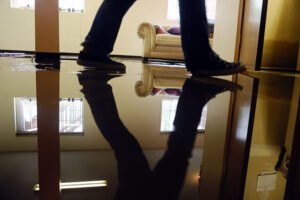
Standing water should be removed as soon as it is safe because moisture can continue spreading into flooring, drywall, framing, insulation, and other building materials after the original leak has stopped. If electricity may be involved, do not walk through the water to reach outlets, appliances, electrical equipment, or a breaker panel.
CleanPro Restoration Services provides 24/7 emergency water removal and water extraction from Morris, Illinois, primarily for residential properties and select commercial losses. Water damage is a primary focus for the company, especially losses caused by burst pipes, refrigerator supply-line failures, dishwasher leaks, and other sudden plumbing or appliance-related problems.
The goal of emergency extraction is straightforward: remove as much unwanted water as practical before it has more time to spread through the property. Extraction is followed by moisture evaluation and structural drying when building materials remain wet.
CleanPro Restoration Services provides water extraction, structural drying, water-damage restoration, repairs, and reconstruction services.
For emergency water removal in Morris, IL, call CleanPro at (833) 588-2776. CleanPro is available 24/7 for emergency calls.
Emergency water extraction may be needed whenever a sudden water loss leaves standing water or saturates building materials.
CleanPro’s water-damage services includes:
Water from sewage, outdoor flooding, or another potentially contaminated source may require additional safety precautions and a different cleanup approach. When calling CleanPro, describe where the water came from and which areas are affected so the team can better understand the situation and help determine the appropriate next steps.
The important distinction is that emergency water removal is about getting unwanted water out of the building quickly and safely. Full restoration continues beyond extraction when walls, floors, framing, insulation, or other materials remain wet.
Emergency water extraction moves from the initial call and safety assessment into water removal, moisture evaluation, and structural drying.
A typical extraction response follows five basic steps:
Water extraction is therefore not the same as simply pumping out a room.
A floor can appear clear of standing water while the pad beneath carpet remains saturated. Drywall can feel dry on the surface while moisture remains deeper in the material. Water can also move beneath floating flooring or along framing into a room that never had a visible puddle.
Electrical safety comes before extraction. CDC guidance says that when standing water is present, power should only be shut off from a dry location; if reaching the main switch would require entering the water, an electrician should handle it. The CDC also warns against operating electrical equipment while standing in water.
The first hours after a water loss matter because water can continue moving into porous and concealed materials even after the active leak has stopped.
Drywall can wick moisture upward. Water can migrate beneath flooring and cabinets. Wood framing, insulation, carpet pad, and other porous materials can continue absorbing moisture as long as they remain exposed.
The longer those materials stay wet, the more complicated drying and repair can become.
Water conditions can also change after prolonged contact with building materials, dirt, or other contaminants. For that reason, a water loss should be evaluated based on the conditions found at the property rather than assuming that water remains in the same condition indefinitely.
Mold is another reason to act promptly. The EPA recommends drying water-damaged areas and materials within approximately 24–48 hours when possible to help prevent mold growth. The agency also notes that this is a guideline rather than a guarantee that mold will or will not develop at an exact hour.
This does not mean every property must be completely restored within 48 hours. It means water extraction and drying should begin without unnecessary delay when conditions allow.
Many straightforward water damage projects may be completed in around three days, while more extensive losses can take longer. The overall timeline depends on factors such as how far moisture has spread, the materials affected, access to wet areas, drying conditions, and whether repairs or reconstruction are needed.
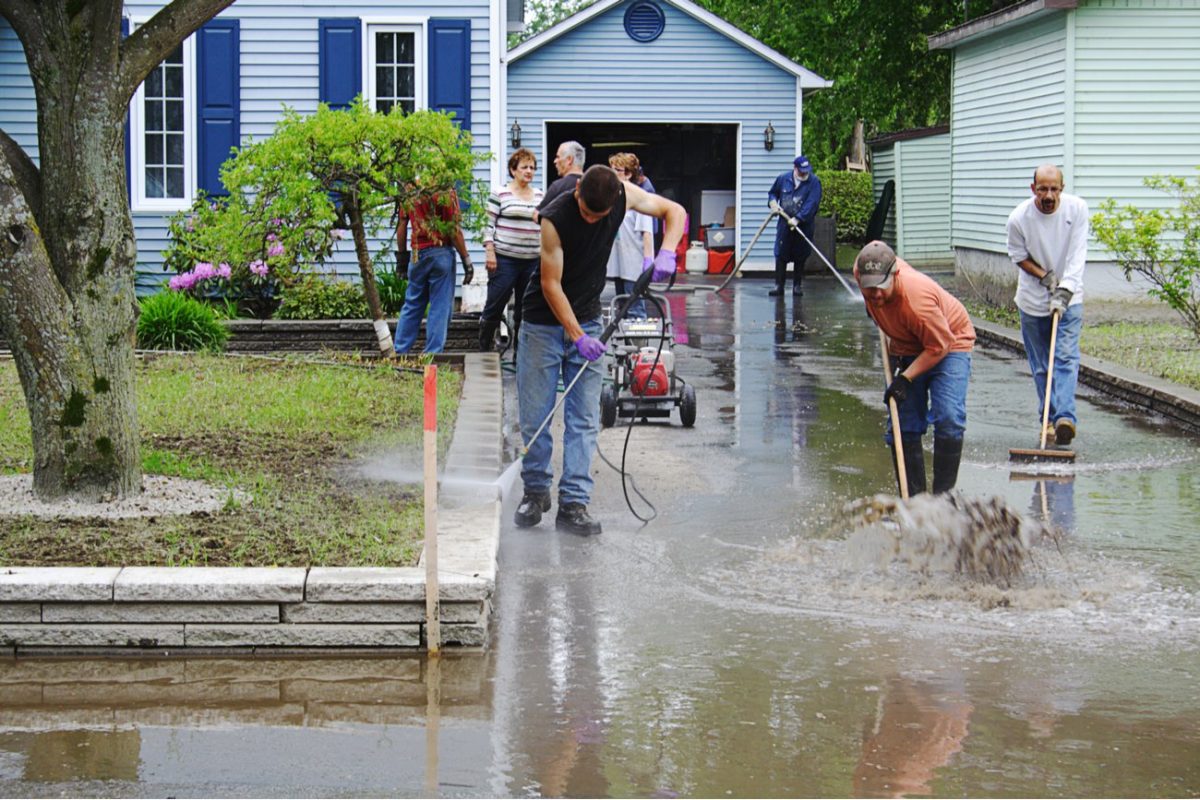
Water removal is the emergency phase; drying and restoration address the moisture and damage left behind.
After standing water is extracted, affected materials can be evaluated to determine what needs structural drying and what may require removal or repair.
Air movers and dehumidification equipment may be used to encourage moisture to leave wet materials and reduce humidity in the drying environment. Moisture conditions can then be monitored as the project progresses.
Once affected materials are adequately dried or damaged materials are removed, the project can move into repairs or reconstruction when needed.
That distinction is important:
Water extraction removes the bulk water. Structural drying addresses retained moisture. Restoration and reconstruction address the property damage caused by the loss.
For the broader service, see full water damage restoration.
For a step-by-step explanation from inspection through rebuilding, see the Water Damage Restoration Process.
CleanPro provides both water-damage restoration and reconstruction, allowing qualifying projects to continue from emergency extraction into repairs when the affected property cannot be returned to usable condition through drying alone.
Many homeowners insurance policies require policyholders to take reasonable steps after a loss to protect the property from additional damage, but the exact requirements depend on the policy.
Illinois Department of Insurance guidance tells property owners to take necessary temporary steps to protect property from further damage and to keep documentation and receipts. The department describes mitigation against additional damage as a responsibility after a covered property loss.
A typical homeowners policy may also include “duties after loss” language requiring reasonable measures to protect damaged property from further harm. Because policies differ, property owners should review their own policy and contact their insurance company rather than assuming the same requirements apply to every claim.
For a water loss, reasonable immediate actions may include:
CleanPro can document visible restoration conditions and provide relevant project information to the property owner and insurance company during the restoration process.
Insurance coverage, deductibles, exclusions, claim approval, and payment amounts are determined by the individual policy and insurance carrier. Property owners should contact their insurer or adjuster directly with questions about coverage.
For more information, see Does Homeowners Insurance Cover Water Damage?
CleanPro is available 24/7 for emergency water-damage calls, but no fixed 30–60-minute arrival time is currently approved as a public guarantee.
Actual response timing can vary according to the property location, current project demand, weather, road conditions, and other circumstances.
CleanPro serves Morris, Illinois and nearby communities within approximately a 35–40-mile radius, with Plainfield, Shorewood, Joliet, and Naperville among the approved primary target communities.
Call (833) 588-2776 to describe the emergency and confirm current availability.
Water involving sewage or another potentially contaminated source requires additional care and should not be treated the same way as a clean-water leak. Avoid unnecessary contact with the affected area until the conditions can be properly evaluated.
When calling CleanPro, let the team know if sewage or suspected contamination may be involved and describe which areas of the property are affected. This information can help determine the appropriate cleanup and restoration approach.
CleanPro provides water extraction, structural drying, restoration, repairs, and reconstruction for water-damaged properties.
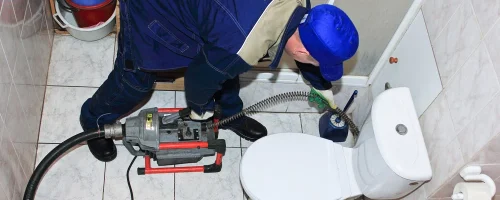
CleanPro is available 24/7 for emergency water damage calls in Morris, IL, and surrounding communities within approximately a 35–40-mile service area, including Plainfield, Shorewood, Joliet, and Naperville.
The company primarily serves residential properties and also handles select commercial water damage projects. For burst pipes, refrigerator supply-line leaks, dishwasher leaks, water heater leaks, and other water damage emergencies, prompt water removal can help reduce moisture spread and support the drying and restoration process.
Call CleanPro at (833) 588-2776 for 24/7 emergency water removal and water damage restoration.