Water Mitigation vs Water Restoration
Quick Response to Any Disaster
- 24/7 Emergency Response
- Expert Restoration Services
- Advanced Technology
- Customer-Focused Care
- Trusted & Reliable

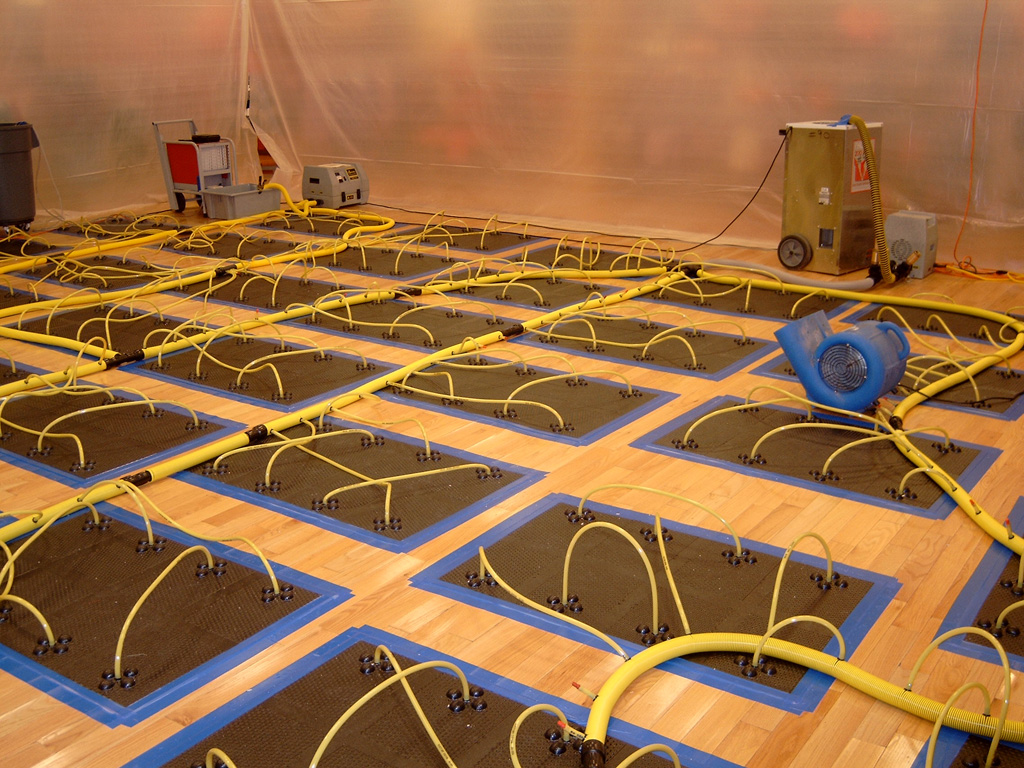
Water mitigation is the immediate work used to limit additional water damage, while water restoration focuses on drying, repairing, and rebuilding the property after the loss has been stabilized. The two phases often happen as part of the same project, but they serve different purposes.
A burst pipe, refrigerator supply-line failure, dishwasher leak, or other sudden water loss can leave standing water and wet building materials behind. The immediate concern is controlling the loss and preventing moisture from spreading farther. Once those conditions are under control, the focus shifts toward drying the structure and repairing what was damaged.
CleanPro Restoration Services provides water-damage restoration for qualifying properties in Morris, Illinois, and nearby communities. The company’s confirmed water work includes water extraction, drying and restoration, repairs, and reconstruction. CleanPro primarily serves homeowners while also accepting select commercial restoration projects.
For CleanPro’s website, water mitigation is best used as an industry term describing the early phase of a water-damage project rather than as a separately confirmed CleanPro service line. This keeps the terminology accurate without suggesting that CleanPro markets a standalone service that the client has not specifically approved.
CleanPro is available 24/7 for water-damage calls. Availability does not represent a guaranteed arrival time.
Water mitigation means taking reasonable steps to limit additional damage after water enters a building. It normally begins during the emergency stage of a loss, before damaged areas can be fully repaired or reconstructed.
The word “mitigation” describes the purpose of the work rather than one specific procedure. If a refrigerator supply line breaks and water spreads across a kitchen floor, for example, mitigation may involve stopping the active water source, removing standing water, determining which materials became wet, and beginning structural drying. Those actions are intended to keep the original leak from creating a larger property-loss problem.
Common activities during the mitigation phase can include:
Not every water loss needs every step. A small supply-line leak discovered quickly can have a much smaller scope than a pipe break that runs for several hours and sends water through flooring, drywall, insulation, or the ceiling below.
The source repair is also separate from the restoration work. If a pipe, appliance connection, or plumbing component fails, a plumber or other qualified professional may be needed to repair that component. CleanPro’s role is the resulting water damage rather than automatically performing the plumbing repair itself.
For situations where standing water is the immediate concern, see Emergency Water Removal.
Mitigation limits additional damage, restoration repairs the property after a water loss, and remediation deals with conditions such as mold or contamination that require their own cleanup methods.
The distinction becomes easier to see when the phases are compared side by side.
|
Phase |
Goal |
Typical work |
When it happens |
|---|---|---|---|
|
Water mitigation |
Limit the spread and severity of water damage |
Extraction, moisture evaluation, drying setup, selective material removal |
During the immediate response to the water loss |
|
Water restoration |
Dry, repair, and return damaged areas to usable condition |
Structural drying, repairs, material replacement, reconstruction |
After initial control and throughout the recovery process |
|
Remediation |
Deal with mold or contamination requiring specialized cleanup |
Containment, removal of affected materials, cleaning, mold remediation |
When mold or another contamination issue is present |
Imagine a pipe breaks inside a wall. The pipe itself needs to be repaired by the appropriate professional. Water that escaped into the home may then need extraction, and the wet areas need to be identified. Those are part of limiting the loss.
The property may still need substantial work afterward. Wet drywall could require drying or removal. Flooring may need repair. Insulation could be affected. If building materials are removed, those areas may eventually require reconstruction.
Mold creates another distinction. When mold growth has already developed, the project may move beyond ordinary water drying into mold remediation. That work can involve containment, controlled material removal, cleaning, and moisture correction according to the conditions found.
For confirmed mold services, see mold remediation specialists.
Mitigation and restoration are usually connected phases of the same water-damage project: the first limits additional damage, while the second addresses the moisture and physical damage that remain.
Consider a dishwasher line that fails overnight. When the homeowner discovers it in the morning, there may be water across the kitchen and moisture beneath flooring or cabinets. In a two-story home, water may also have reached the ceiling below.
The first job is not rebuilding the kitchen. The immediate concern is stopping the continuing loss and getting unnecessary water out of the structure. The affected materials can then be evaluated so drying can begin.
Once standing water is removed, the project does not automatically end. Flooring may still contain moisture. Drywall can remain wet even though the surface looks dry. Water may have traveled beneath cabinets or into adjoining rooms.
That is where the project moves from initial stabilization toward full restoration. Drying continues until the affected materials reach appropriate conditions. Materials that cannot be restored may need removal, followed by repairs or reconstruction.
The two phases can overlap. Structural drying may begin during mitigation and continue during restoration. Material removal may be needed early to reach wet areas, while replacement happens later after the structure is ready to rebuild. The terminology helps describe the purpose of the work, but a homeowner does not need to decide where one phase officially ends before asking for help.
CleanPro’s client information reports that many straightforward water projects are typically completed in around three days. That should be treated as client-reported experience rather than a fixed mitigation or restoration timeline. The actual duration depends on how much water is present, how far it traveled, which materials are affected, drying conditions, and whether reconstruction is necessary.
Having extraction, drying, restoration, and reconstruction available within the same overall restoration project can also reduce unnecessary transitions between the emergency response and rebuilding stages. Specialized plumbing, electrical, roofing, or other trade work may still require the appropriate contractor.
For the broader service, see the full water damage restoration service. The Water Damage Restoration Process explains the larger sequence from initial evaluation through repair and reconstruction.
Insurance policies commonly expect property owners to take reasonable steps after a loss to protect the property from additional damage. In insurance language, those protective actions are often described as mitigation.
That does not mean a homeowner is expected to make unsafe repairs or immediately authorize complete reconstruction. It means an active loss generally should not be ignored while water continues spreading through the property.
For example, if a pipe breaks, shutting off the water when it can be done safely can reduce additional damage. If standing water remains inside the home, appropriate extraction can keep it from continuing to soak surrounding materials. Drying may also need to begin so retained moisture does not remain unnecessarily in walls, flooring, or framing.
Homeowners should document the conditions when it is safe and practical. Photographs or video can show where water was visible, which rooms were affected, what materials were wet, and how the property looked before extensive cleanup. Restoration estimates, invoices, moisture records, and other project documentation should also be kept.
Permanent repair is a different stage. Homeowners should communicate with their insurance company about claim requirements and any inspections the carrier expects before major repairs or reconstruction proceed.
CleanPro can document relevant restoration conditions and the work performed on a qualifying project. The insurance company determines whether a loss is covered, what deductible applies, what expenses are payable, and how a claim is settled.
The website should not promise that mitigation automatically protects or increases claim payment. Taking reasonable steps to prevent additional damage can satisfy an important policy responsibility, but coverage still depends on the cause of loss and the individual policy.
For the broader insurance topic, see Does Homeowners Insurance Cover Water Damage?.
Water-mitigation cost varies according to the amount of water, number of affected areas, materials involved, extraction needs, drying requirements, and whether damaged materials need removal. There is no single mitigation-only price that accurately represents every water loss.
That matters because consumer cost guides often combine extraction, drying, demolition, cleaning, repairs, and other restoration work into one overall water-damage figure. A national “water damage restoration” average should therefore not be presented as though it were the price of mitigation alone.
A limited clean-water loss discovered quickly may involve extraction and a relatively small drying setup. A larger pipe break can affect several rooms, reach insulation and subflooring, or travel through one level of a home into another. The second project requires more labor, equipment, monitoring, and possibly material removal.
Water quality and contamination also affect scope. Clean water from a supply-line break does not necessarily require the same handling as water containing significant contamination. The amount of demolition and cleaning can change accordingly.
CleanPro’s client information gives a broad $2,000–$10,000 general project range, with large-loss projects sometimes costing more. That figure should not be labeled as CleanPro’s water-mitigation price because the client did not identify it as a mitigation-only rate.
The safest public explanation is that pricing is based on the individual project. The amount of extraction, drying time, number of affected rooms, material removal, repair needs, and reconstruction requirements can all change the final cost.
For a fuller breakdown of water-damage pricing, see Water Damage Restoration Cost.
If water is still spreading, standing water remains, or wet materials have not been stabilized, mitigation-type work is generally needed first. Once the immediate loss is under control, restoration addresses continued drying, repairs, material replacement, and reconstruction.
Most substantial water losses involve some amount of both.
A burst pipe may require immediate water extraction before damaged drywall can be repaired. A refrigerator line may wet flooring that needs drying before replacement decisions can be made. A dishwasher leak may require moisture evaluation around cabinets or adjoining areas before repairs begin.
The homeowner does not need to diagnose the correct industry term before calling. The more useful questions are whether water is still entering the building, whether standing water remains, and which materials became wet.
For CleanPro, the public service language should continue to focus on water extraction, drying, water-damage restoration, repairs, and reconstruction rather than presenting “water mitigation” as a separately confirmed service.
Mitigation-related work may be covered when it is necessary because of a covered water loss, but insurance coverage depends on the cause of the damage and the individual policy.
Emergency extraction and drying after a sudden covered pipe break may be treated differently from damage involving outside flooding, long-term leakage, deferred maintenance, or another excluded cause.
Property owners are generally expected to take reasonable steps to keep a covered loss from getting worse. That responsibility does not mean every mitigation expense is automatically covered, nor does it determine how much the insurance company will pay.
Document the loss, contact the insurer promptly, and keep records of necessary emergency restoration work. Ask the carrier about the deductible, applicable coverage, documentation requirements, and whether it wants to inspect damaged materials before permanent repair begins.
CleanPro can document the restoration conditions and work it performs. The insurer determines coverage and payment.
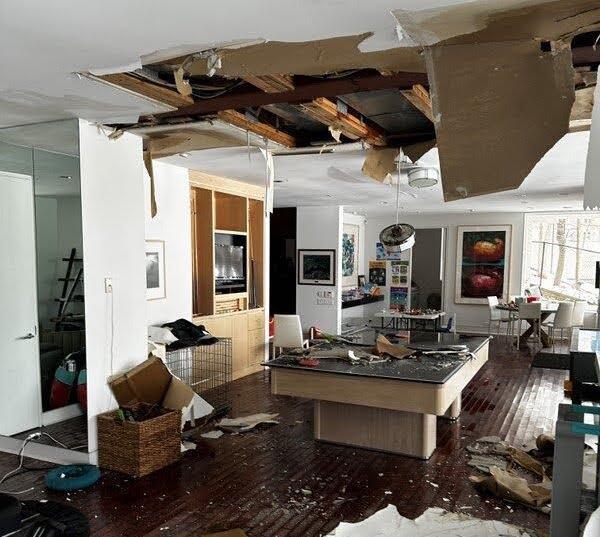
CleanPro Restoration Services provides water-damage restoration for qualifying properties in Morris, IL, and nearby communities within about a 35–40-mile radius.
The company primarily serves residential properties and also accepts select commercial restoration work. Approved target communities include Plainfield, Shorewood, Joliet, and Naperville.
If a burst pipe, refrigerator supply-line failure, dishwasher leak, or another water loss leaves standing water or wet building materials, addressing the water promptly can limit how far the damage spreads before repair and reconstruction begin.
Call CleanPro Restoration Services at (833) 588-2776 for 24/7 water-damage assistance in Morris, IL and approved nearby communities.